“A berry and a bean that grow where almost nothing else can — the remarkable story of Rajasthan's most treasured pickle.
At a glance
Some foods are born of abundance. Kair sangri was born of survival — and that is exactly what makes it extraordinary.
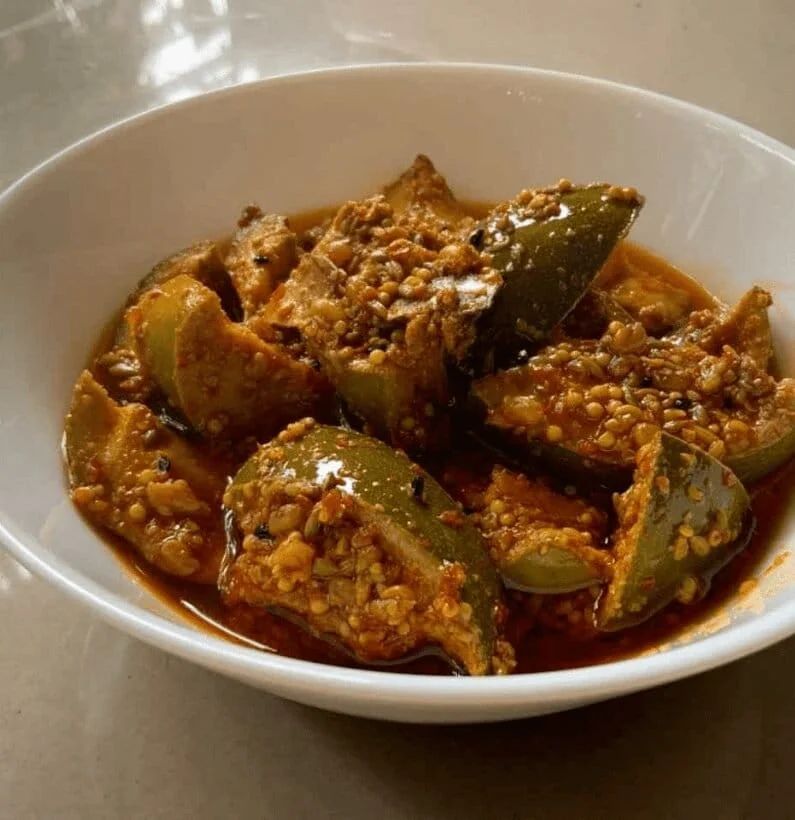
Drive through the Thar desert in western Rajasthan and you will see a landscape that seems to offer nothing: sand, scrub, fierce sun. Yet from this severity come two of India's most prized wild foods — kair, a sharp little berry, and sangri, the slender bean of the khejri tree. Together, preserved in mustard oil and spice, they become the pickle that Rajasthanis abroad beg visiting relatives to carry: kair sangri ka achar.
✦A berry that laughs at drought
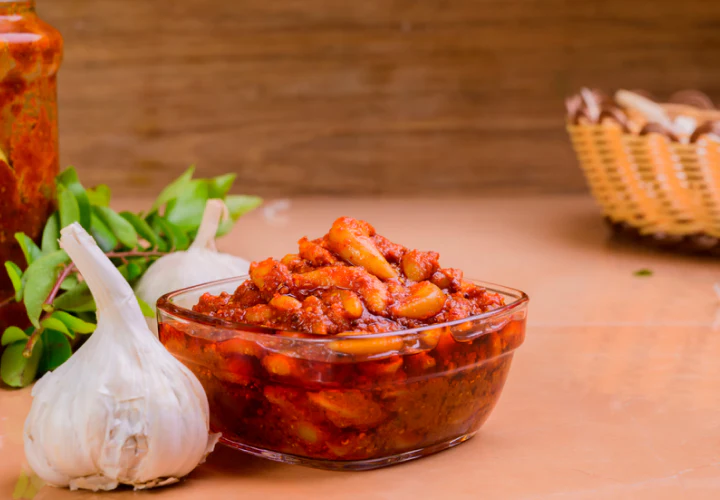
Kair is the fruit of a thorny, leafless shrub that thrives on rainfall that would kill most crops. The berries are picked green and firm, about the size of a large pea, with a taste so sharply astringent that they are inedible raw. Salt-curing transforms them: days of brining mellow the bite into a tangy, faintly peppery pop that has no substitute in Indian cooking.
Because kair is wild-harvested, not farmed, every batch is a small act of gathering — families and local collectors picking by hand in the weeks after the berries set. The supply is seasonal and finite, which is why genuine kair commands the price it does.
✦The tree that feeds a desert
Sangri comes from the khejri, the state tree of Rajasthan and arguably the most respected plant in the desert. The khejri gives fodder, shade, and — in early summer — long green pods that locals pick, dry and store like treasure. Nutritionally, dried sangri is remarkable: unusually high in protein and fibre for a plant food, rich in iron, calcium and potassium — a genuine desert superfood, centuries before that word existed.
The reverence is real. The Bishnoi community of Rajasthan famously protected khejri trees with their lives in the eighteenth century. When you eat sangri, you are eating a piece of that heritage.
✦How the classic pickle is made
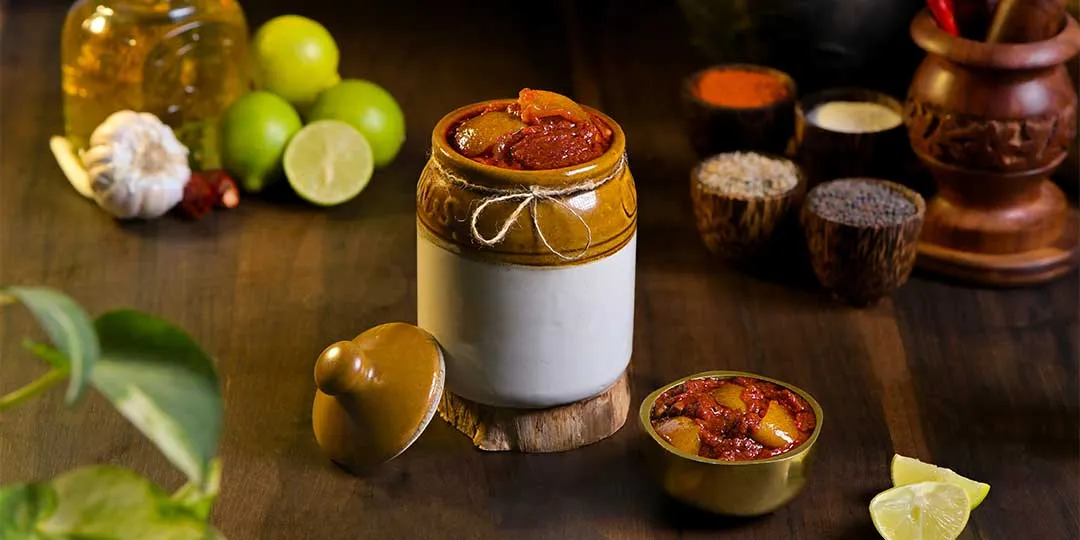
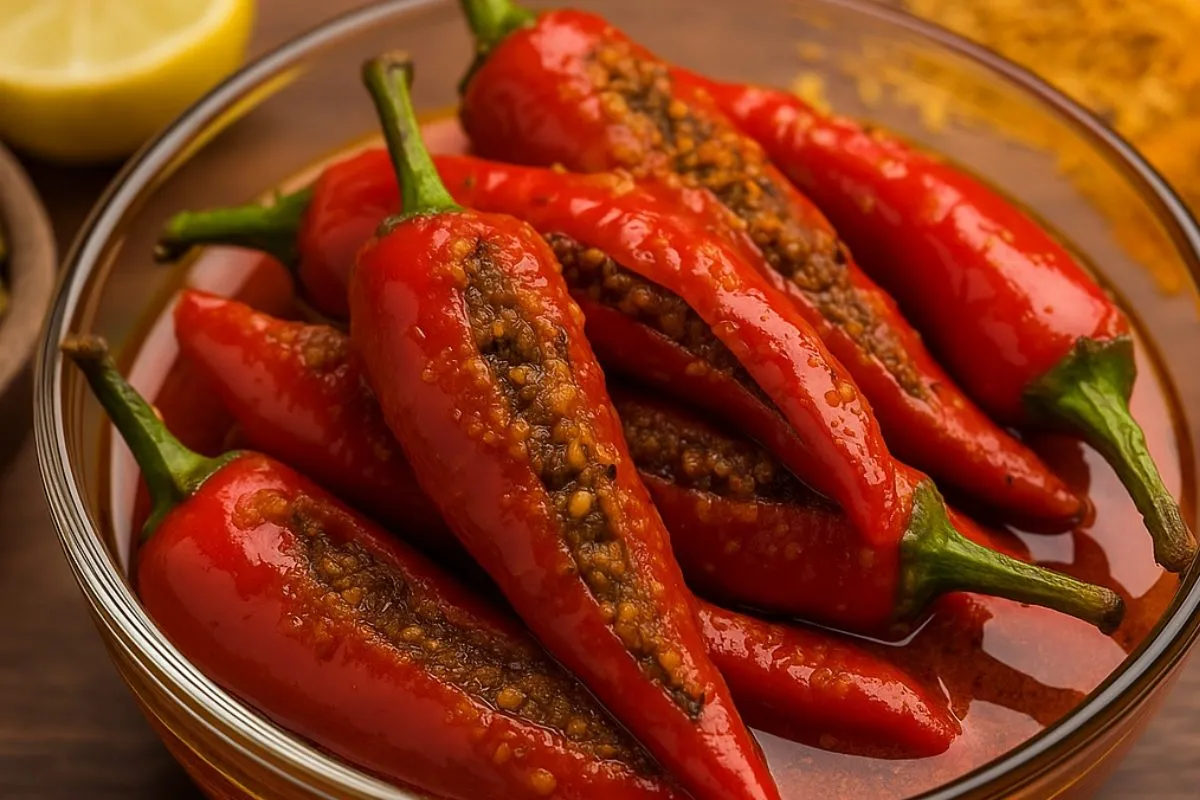
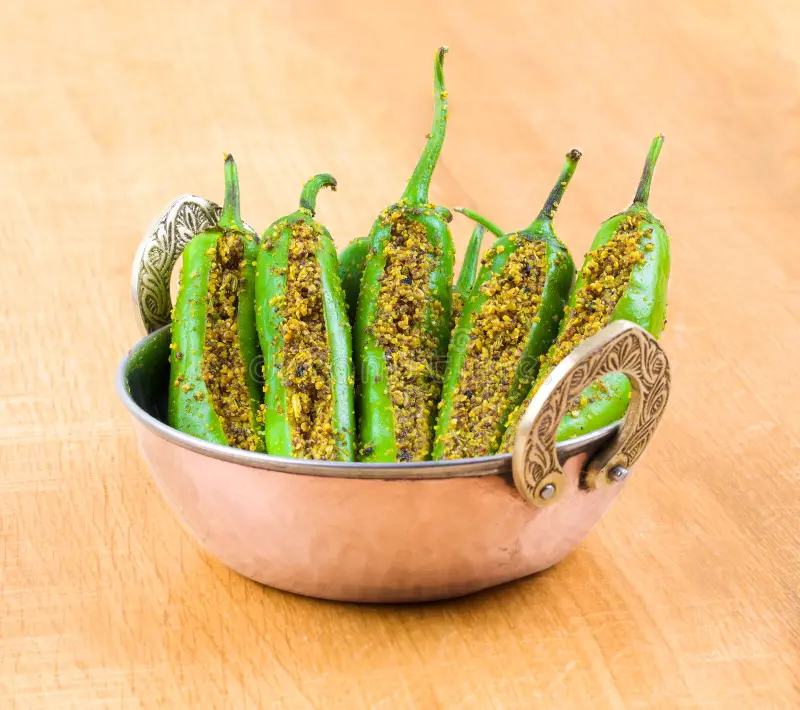
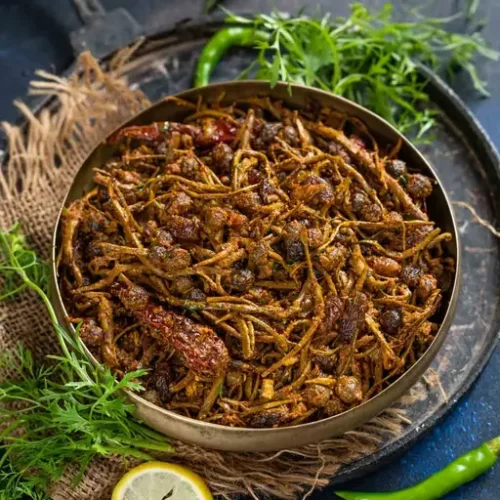
Traditional kair sangri achar is a masterclass in desert preservation. The salt-cured kair and rehydrated sangri are dried again to shed every trace of moisture, then tumbled with a robust masala — red chilli, fennel, fenugreek, nigella, turmeric, asafoetida — and drowned generously in cold-pressed mustard oil.
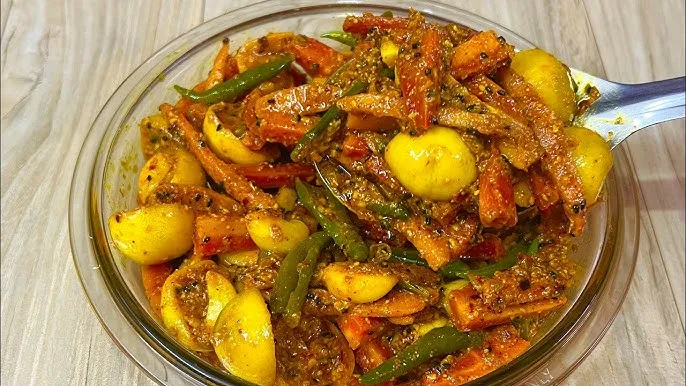
The result is unlike any other pickle in India. The kair bursts tangy and bright; the sangri stays pleasantly chewy and earthy; the masala ties them into something deeply savoury. It is a pickle with texture, which is rarer than it sounds.
In Rajasthani homes it appears beside bajre ki roti with a spoon of ghee, next to dal-baati, or tucked into a traveller's tiffin — because like all great desert foods, it needs no refrigeration and only gets better with weeks.
✦Why it earned the superfood label
Between them, kair and sangri bring more nutrition than most pickling vegetables can dream of: sangri's protein, fibre and minerals; kair's antioxidants and traditional digestive reputation in local medicine. Folk wisdom in the desert has long treated both as strengthening foods, eaten through the punishing summer months.
A pickle is still a condiment — the portions are small and the salt is real. But spoon for spoon, kair sangri is about as nutrient-dense as the pickle jar gets.
✦Why authentic kair sangri is hard to find
Here is the honest problem: real kair sangri is expensive to make. The ingredients are wild, seasonal and hand-gathered. The curing takes days. So many commercial versions cut corners — padding jars with cheaper vegetables, skimping on the kair, or replacing slow salt-curing with quick vinegar treatment that leaves the berries harsh.
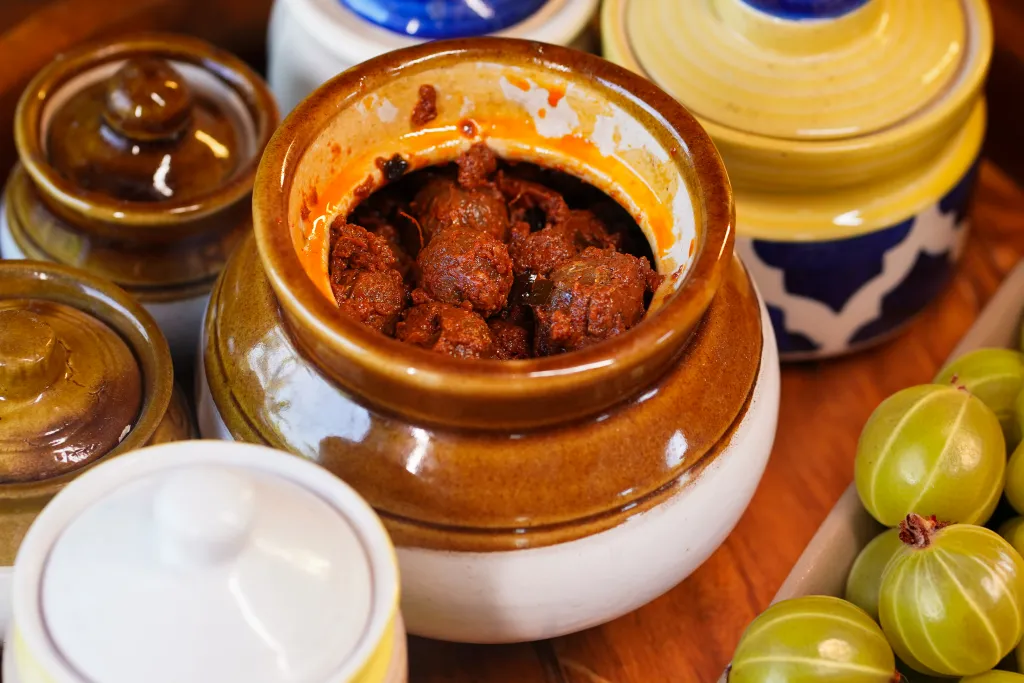
The genuine article announces itself the moment you taste it: plump whole berries, sangri with proper chew, and the deep, rounded heat of a masala that has had time to mature in mustard oil.
✦Taste the desert
✦How to eat kair sangri like a local
If this jar is new to you, start the classic way: alongside hot bajre ki roti with a spoon of white butter or ghee — the earthy millet and rich fat are kair sangri's oldest companions. It is equally at home beside dal-baati-churma, tucked into a paratha roll, or served with plain khichdi when you want the pickle to be the loudest thing on the plate.
Two less traditional ideas that work beautifully: chop a few pieces into curd for an instant Rajasthani-style raita, or serve the pickle on a cheese board — visitors who have never heard of khejri trees will ask what that extraordinary chewy-tangy thing is.
✦The harvest calendar
Part of what makes this pickle special is how narrow its season is. Kair berries set after the first summer heat, giving collectors a window of a few weeks in April and May. Sangri pods are picked green in early summer and sun-dried for the year. Miss the window, and there is no second chance until the next season — which is why traditional families dried and stored both with such care, and why our batches are made once, properly, when the desert delivers.
Our Kair Sangri Pickle is made the uncompromising way — genuine wild-harvested kair and khejri sangri, salt-cured, sun-matured, packed in kachi ghani mustard oil with zero preservatives. For Rajasthanis, one bite is home. For everyone else, it is the single most interesting jar you can add to your table — a pickle that carries an entire desert's story in every spoon.
✦A story worth sharing
Kair sangri also makes one of the most meaningful food gifts India has to offer. Where a box of sweets says celebration, a jar of genuine kair sangri says heritage — a wild harvest, a sacred tree, a community that once gave lives to protect it, all preserved in mustard oil. Send one to a Rajasthani living far from home and watch what happens; send one to a food-loving friend who has never tasted it, and you have given them a story along with a pickle. Few jars on any shelf can make that claim.
Written by
PanchMantra Kitchen
Recipes, pickle science and stories from the family kitchen behind PanchMantra — where every jar is still made by hand, the way our grandmothers taught us.

Join the Conversation
0 comments
Login to share your thoughts on this article.
Login to Comment