
“Fermentation, probiotics, salt and oil — what modern nutrition actually says about traditional Indian pickles and your gut.
At a glance
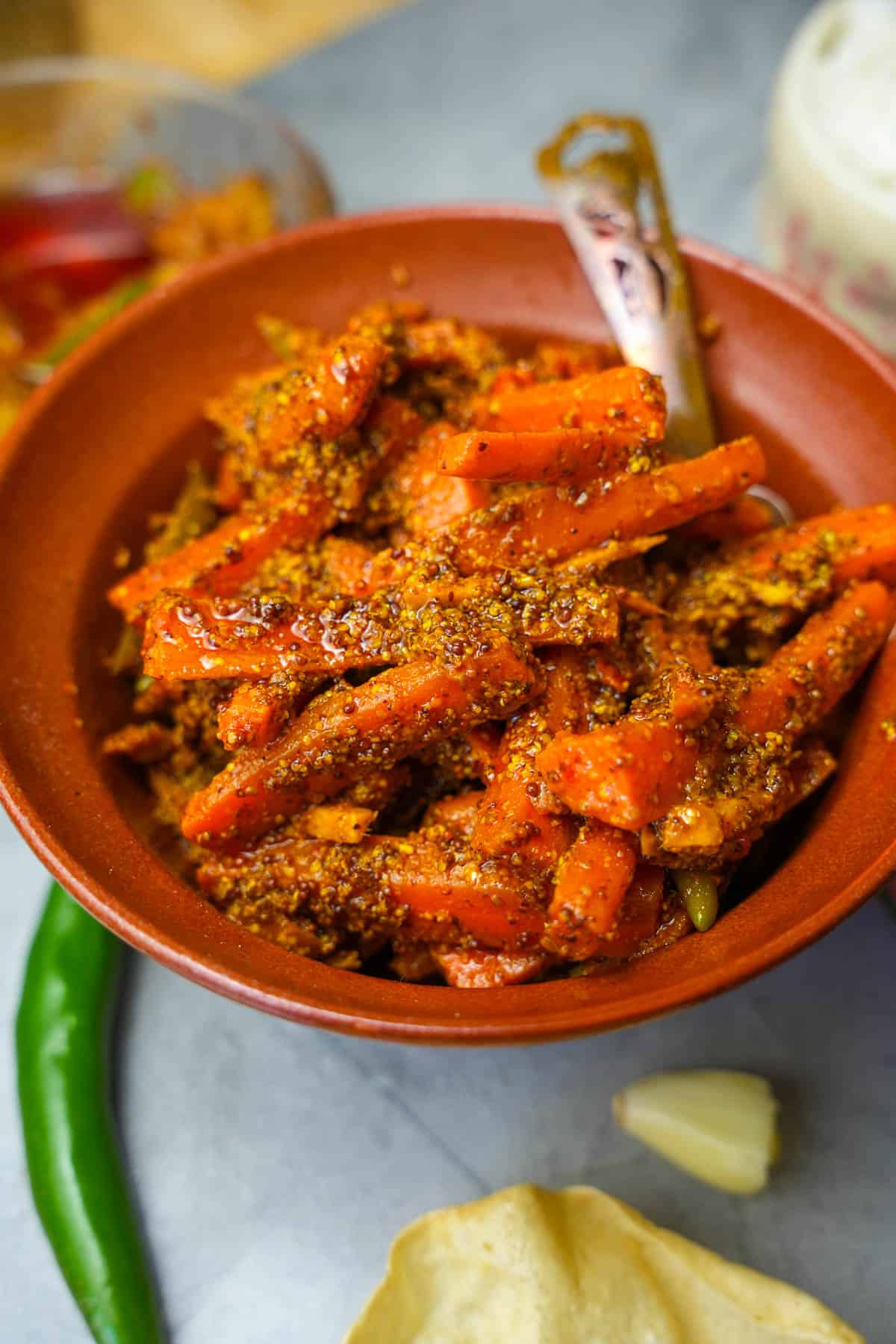
Ask your grandmother why there was always achar on the table and she would say it helps digestion. Ask a modern nutritionist and you will get a longer, more careful answer — but a surprisingly similar one. Traditional Indian pickles sit at an interesting intersection of ancient food wisdom and modern gut science, and the honest picture is worth understanding.
This article looks at what achar genuinely does for your gut, what it does not, and how to enjoy it in a way that keeps both flavour and health on your side.
✦What fermentation actually does
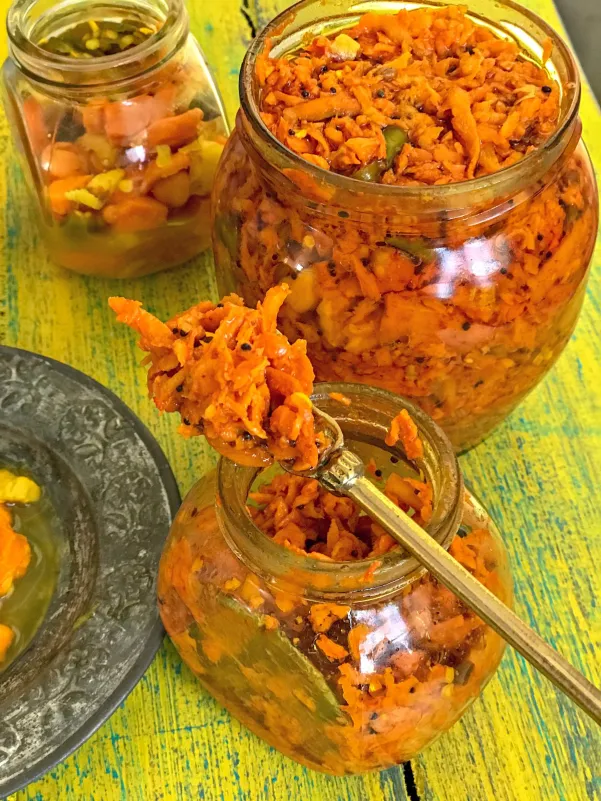
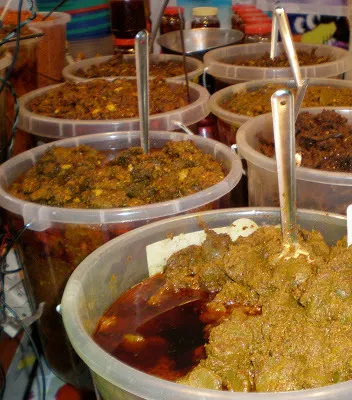
A traditional oil-and-salt pickle is a slow fermentation project. Over weeks of sun-curing, naturally occurring lactic acid bacteria — the same family found in curd and kanji — get to work on the vegetables. They convert sugars into lactic acid, which is what gives a matured achar its rounded, complex sourness that raw lime juice can never imitate.
This process transforms the food itself. Fermentation partially breaks down tough fibres, making vegetables easier to digest. It can increase the availability of certain B vitamins. And the resulting acidity creates an environment in the jar where harmful microbes struggle to survive — which is why traditional pickles are safe to eat for a year without refrigeration.
✦The probiotic question, answered honestly
Are pickles probiotic? Here is the truthful answer most marketing skips: naturally fermented pickles do contain beneficial lactic acid bacteria, but in smaller and less predictable numbers than curd or commercial probiotic products. An oil-based achar is not a probiotic supplement, and any brand claiming otherwise is stretching the science.
What fermented pickles genuinely offer is different and still valuable: the acids, enzymes and metabolites produced during fermentation. These compounds — sometimes called postbiotics — support the digestive environment even when the original bacteria do not survive in large numbers. Traditional food cultures across the world, from Korean kimchi to German sauerkraut to Indian achar, arrived at the same insight centuries before microbiology existed: fermented accompaniments make heavy meals sit lighter.
✦The spices are doing quiet work
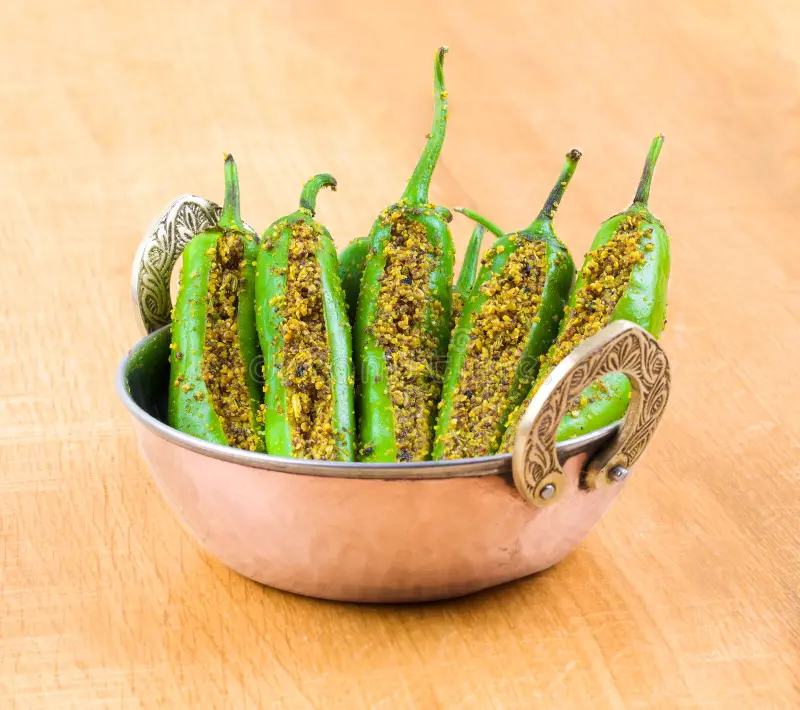
An achar jar is also a concentrated dose of some of India's most studied spices. Fenugreek seeds, present in almost every traditional recipe, are rich in soluble fibre and have been studied for their effect on blood sugar response. Turmeric brings curcumin. Asafoetida has a long Ayurvedic history as a digestive aid. Mustard — both the seed and the oil — stimulates appetite and digestive secretions, which is partly why a spoon of pickle before a big meal is an old Rajasthani habit.
None of these arrive in medicinal doses in a single serving. But as a daily, consistent part of meals — the way pickle is actually eaten — they add up to a meaningful pattern.
✦The salt conversation nobody should skip
Now the honest part. Traditional pickles are high in salt, and salt is not negotiable in the recipe — it is the preservative. A single serving of achar can carry a notable share of the day's recommended sodium.
The sensible response is portion, not avoidance. Achar is a condiment, not a vegetable. The traditional serving — one or two small pieces alongside a meal — delivers the flavour and the digestive nudge without a sodium problem for most healthy people. If you have high blood pressure or have been advised to restrict sodium, treat pickle as an occasional pleasure and speak to your doctor about where it fits.
✦Oil: the misunderstood hero
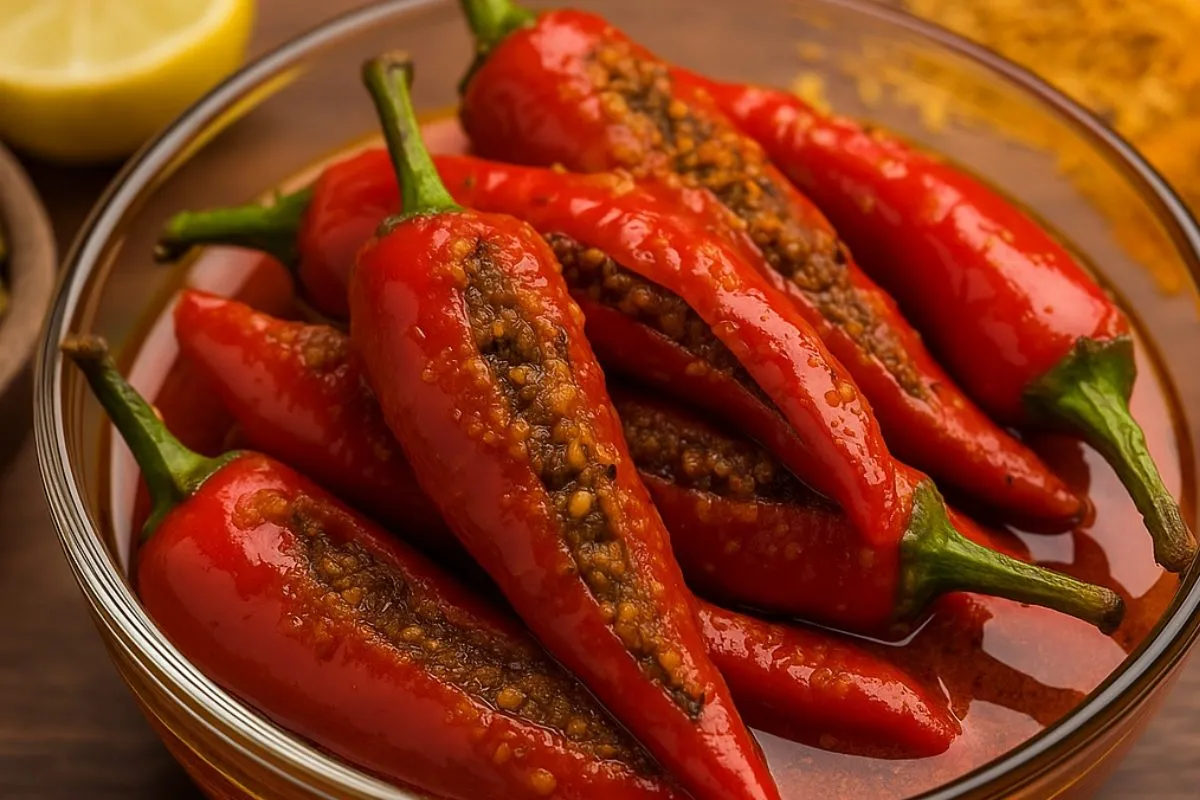
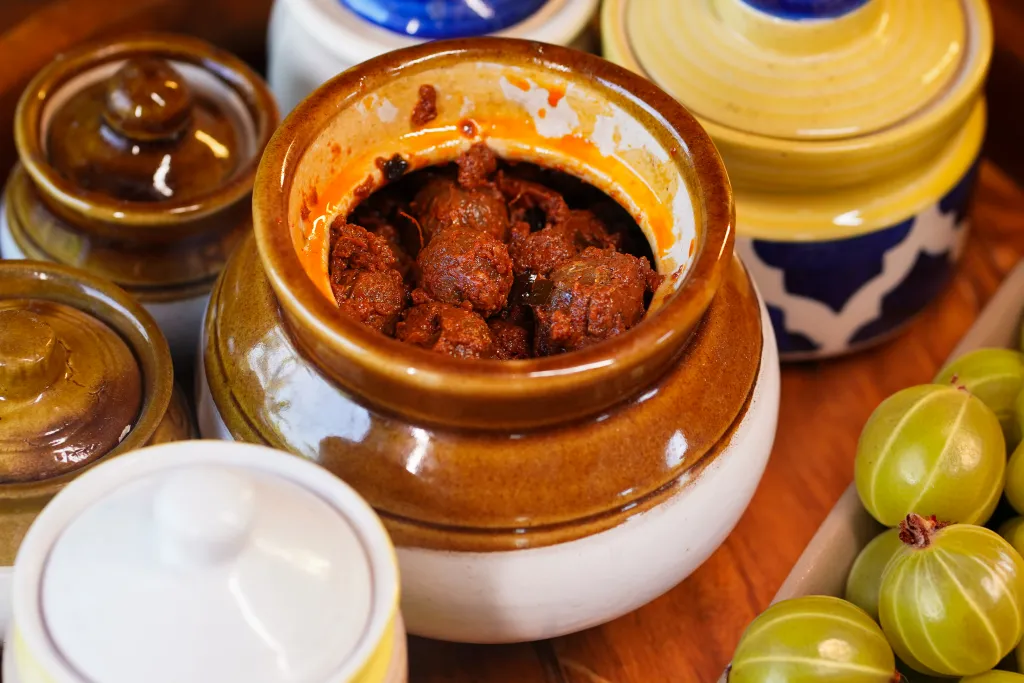
Many health-conscious buyers flinch at the oil floating on a traditional pickle. That oil deserves a fairer reputation. Cold-pressed mustard oil is rich in monounsaturated fats and omega-3 fatty acids, with a fatty-acid profile that compares well against refined seed oils. It is also the pickle's preservation system — the barrier that keeps air out.
You are also not meant to drink it. The pieces carry a coating of oil to your plate; the rest stays in the jar doing its job. A well-made oil pickle contributes far less oil to your actual meal than a single fried papad.
✦What this means for your plate
Enjoy achar the way it was designed to be eaten: small portions, with meals, consistently. Pair it with dal-chawal, khichdi, parathas or curd rice, where its acidity and spice genuinely help a rich plate feel lighter. Choose naturally fermented, preservative-free pickles — the shortcuts in commercial jars, from synthetic vinegar to preservatives like sodium benzoate, skip the fermentation that creates the benefits in the first place.
✦Fermented achar vs vinegar pickles
One distinction worth understanding when you shop: not everything called a pickle is fermented. Western-style pickles and many commercial Indian jars use vinegar for instant sourness — the vegetable is essentially preserved in added acid, with no living process involved. They taste fine, but the fermentation benefits discussed above simply are not there, because fermentation never happened.
Traditional oil-and-salt achar, sun-cured over weeks, develops its acidity from within. If a label lists acetic acid near the top, you are looking at a vinegar product wearing achar's clothes. If the ingredients read like your grandmother's shelf — vegetables, salt, spices, mustard oil — the slow chemistry had a chance to work.
✦The kanji connection
If gut benefits are your main interest, let achar introduce you to its liquid cousin: kanji. This North Indian winter drink — black carrots fermented in water with mustard and salt for a few days — is arguably India's most potent traditional probiotic, teeming with the live cultures that oil pickles hold only modestly. A glass of tangy, deep-purple kanji alongside a meal delivers the live-bacteria benefits, while the achar on your plate brings the postbiotic compounds, the spices and the joy. Together they are the complete traditional package — proof that Indian kitchens understood gut health as a system long before the term existed.
✦The bottom line
So — are pickles good for gut health? Eaten the traditional way, in traditional portions, a naturally fermented achar earns a qualified yes: real digestive benefits from fermentation and spices, balanced against salt that demands moderation. The key word in every sentence above is traditional. A vinegar-and-preservative factory jar carries the sodium without the fermentation benefits — the cost without the reward. Choose jars made the slow way, keep portions sensible, pair them with balanced meals, and your grandmother's instinct stands vindicated by every serving: a little good achar really does help the meal go down.
Written by
PanchMantra Kitchen
Recipes, pickle science and stories from the family kitchen behind PanchMantra — where every jar is still made by hand, the way our grandmothers taught us.

Join the Conversation
0 comments
Login to share your thoughts on this article.
Login to Comment